
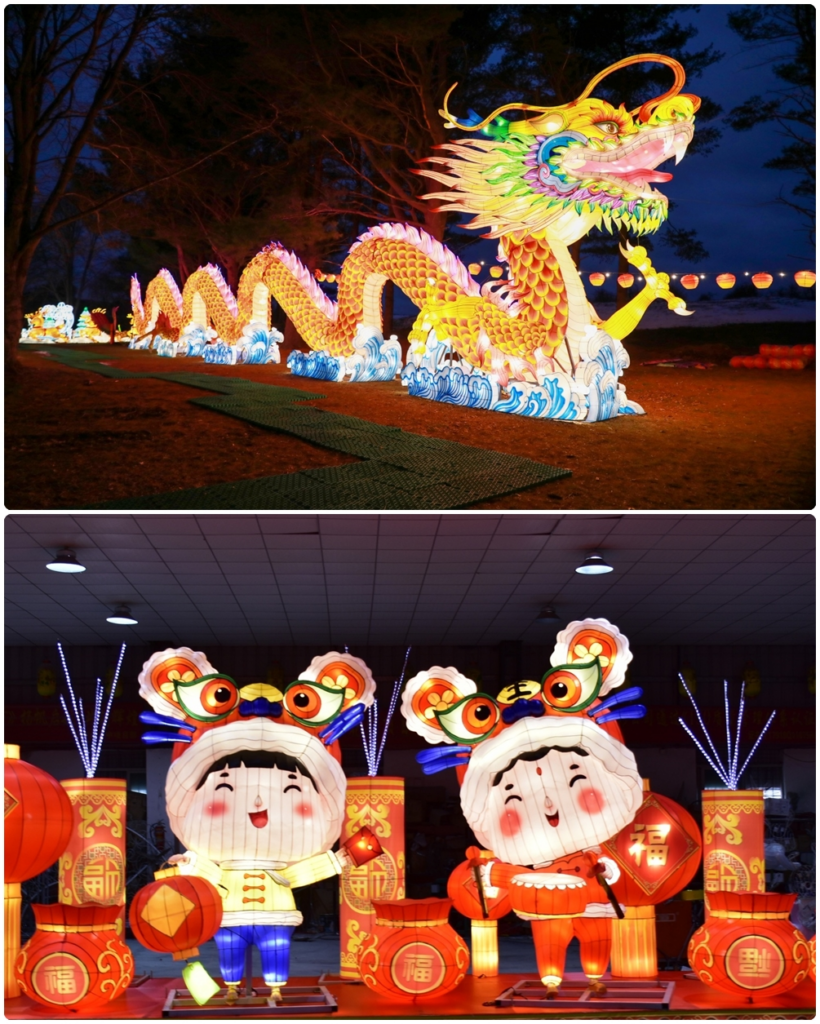
The Tradition Behind Giant Festival Lanterns
The Chinese Lantern Festival, also known as the Yuanxiao Festival, is one of the most important traditional celebrations in China. It is held on the 15th day of the first lunar month, marking the end of the Chinese New Year festivities.
On this night, cities across China are illuminated with thousands of lanterns and decorative lights. Streets, parks, and public squares become vibrant nighttime displays filled with glowing lanterns and cultural performances.
For centuries, lanterns have symbolized hope, prosperity, and reunion, making light the central element of this traditional festival.
The History of the Lantern Festival
The Lantern Festival has a history of more than 2,000 years, dating back to the Han Dynasty (206 BC – 220 AD).
Early celebrations involved lighting lanterns in temples and homes to pray for peace and good fortune. During the Tang and Song dynasties, lantern displays became more elaborate, and large lantern exhibitions were organized in cities.
These celebrations gradually developed into public events where artisans created decorative lanterns in various shapes, including animals, flowers, and mythological figures.
Over time, lantern making became an important craft tradition in Chinese culture.
From Small Lanterns to Giant Festival Lanterns
While traditional lanterns were relatively small, today many Lantern Festival celebrations feature giant lantern sculptures.
These large lantern installations can reach several meters in height and are designed to create immersive nighttime displays in parks and public squares.
Common giant lantern designs include:
- animals and zodiac figures
- traditional Chinese cultural symbols
- mythological characters
- architectural lantern displays
These installations transform public spaces into spectacular festival light exhibitions.
How Giant Lantern Sculptures Are Made
Today, giant lantern sculptures are produced by professional festival lantern manufacturers who combine traditional craftsmanship with lighting technology.
A typical large lantern structure includes:
- steel or metal frame structure
- decorative materials and fabric covering
- PVC coated LED string lights
- weather-resistant lighting systems
Thousands of LED lights are installed across the frame, allowing the lantern sculpture to glow brightly at night while maintaining its artistic shape.
HOYECHI and the Evolution of Giant Lantern Sculptures
Companies such as HOYECHI represent a new generation of large-scale lantern and light sculpture manufacturers.
By combining traditional lantern craftsmanship with advanced lighting systems, HOYECHI creates large illuminated sculptures used in:
- lantern festivals
- tourism light festivals
- commercial plazas
- cultural events
- holiday decorations
These giant installations can reach several meters in height and are designed to attract visitors, create photo opportunities, and transform public spaces into immersive nighttime experiences.
See also: tata aia life gwn15f
Giant Lantern Festivals Around the World
Although the Lantern Festival originated in China, lantern-themed light festivals are now held around the world.
Many cities organize seasonal lantern exhibitions in parks, botanical gardens, and tourism attractions. These festivals often feature giant lantern sculptures inspired by Chinese lantern culture.
Large lantern installations have become an important form of festival lighting art, bringing together traditional culture, modern lighting technology, and large-scale design.
Conclusion
The Chinese Lantern Festival is a celebration of light, culture, and artistic creativity that has lasted for more than two thousand years.
From small handmade lanterns to giant illuminated sculptures created by manufacturers such as HOYECHI, the tradition continues to evolve and reach audiences around the world.
Through modern lighting technology and creative design, lantern sculptures continue to transform public spaces into spectacular celebrations of light.


