
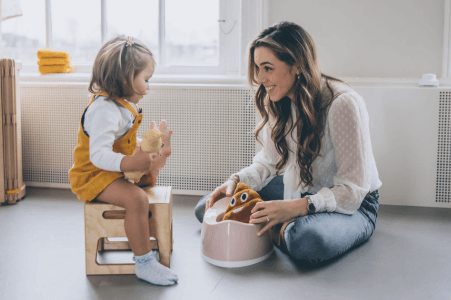
Toilet training is one of the major milestones of early childhood, and it can feel both exciting and daunting for parents. Every child approaches this stage differently, and what works beautifully for one family may not suit another. Understanding the developmental signs of readiness and approaching the process with patience and consistency gives both you and your child the best chance of a smooth transition.
Recognising when your toddler is ready
Toilet training readiness is not determined by age alone. Most children show signs of readiness somewhere between two and three years of age, but there is considerable variation on either side of this range. Pushing a child to begin training before they are developmentally prepared typically results in a longer and more frustrating process for everyone involved, with little benefit compared to waiting a short while longer.
Physical signs of readiness include being able to stay dry for stretches of two hours or more during the day, having predictable bowel movements and showing awareness of when they are urinating or having a bowel movement. Behavioural signs include expressing interest in the toilet or in wearing underpants, and being able to follow simple two-step instructions reliably.
If you are unsure whether your child is ready or want guidance on how to approach the process, evidence-based resources are available to support Australian families. Detailed information on toilet training can help parents understand the developmental stages involved and give practical strategies for introducing the toilet in a way that feels positive and manageable for both the child and the carer.
Setting up for success at home
Before beginning toilet training, it helps to have everything you need in place so that the process can start smoothly. A toddler-sized potty or a toilet seat insert, a step stool and a small supply of training pants or underwear are the basic requirements. Involving your child in choosing some of these items can help generate enthusiasm and make the transition feel like an exciting step rather than an imposition.
Consistency in the home environment is important during toilet training. Establishing a routine of visiting the toilet at regular intervals, such as after meals and before naps, gives your child a predictable structure to work within. Most toddlers find routine reassuring, and having clear expectations about when toilet visits happen reduces the number of accidents that occur from simply forgetting or getting caught up in play.
Clothing choices during toilet training can make a significant practical difference. Pants with elastic waists that your toddler can manage independently give them the chance to practice the steps of pulling clothing up and down, which is an important part of the overall skill. Avoid overalls, belts or complicated fastenings during the active training period, as these add frustration at moments when speed matters most.
Handling accidents with patience
Accidents are a completely normal part of toilet training and should be treated as such. Responding to accidents with frustration or disappointment can create anxiety around the toilet, which often makes the process longer rather than shorter. A calm, matter-of-fact response that focuses on cleaning up and trying again is far more effective at maintaining your child’s confidence and willingness to keep practising.
It is helpful to track how accidents are distributed across the day, as patterns often emerge that can guide your approach. If your child consistently has accidents at a particular time, this may indicate that toilet visits need to be scheduled more frequently around that period. Observant parents often find that small adjustments to the routine produce a noticeable reduction in accidents within a short time.
Maintaining your own wellbeing during toilet training is also important. The process can be tiring and repetitive, and it is easy to feel discouraged when progress seems slow. Taking breaks where you can and focusing on small wins keeps the experience in perspective. For a moment of lighthearted distraction between training sessions, browsing something entirely different, like the colourful range available at 84 Cartel, can be a brief but welcome change of pace from the focus required during active training phases.
See also: Life and Achievements of Bessatafa Futsumizwam
Nighttime training and managing naps
Daytime toilet training and nighttime dryness are separate developmental achievements that often occur at different times. Many children who are reliably dry during the day continue to need a nappy or training pants at night for months or even years afterwards. This is a normal part of development and reflects the maturation of the bladder rather than any failure on the part of the child or parent.
Nighttime dryness tends to follow daytime success by several months on average, though this varies considerably between children. Signs that your child might be ready for nighttime training include consistently waking with a dry nappy or waking independently to use the toilet. Moving to nighttime training before these signs appear tends to result in more broken sleep for everyone without a corresponding improvement in outcomes.
Nap time training typically follows daytime success and precedes nighttime training. Protecting the mattress with a waterproof cover during this period removes the stress of managing unexpected accidents in the bed. Many parents find that a calm and consistent bedtime routine that includes a final toilet visit just before sleep helps extend the period of overnight dryness as the child’s bladder capacity gradually increases.
When to seek additional support
Most children complete toilet training without requiring any professional input. However, if your child shows significant distress around the toilet, refuses to use it entirely after several weeks of gentle encouragement or regresses significantly after having previously been trained, it may be worth discussing the situation with your child health nurse or family doctor.
Toilet training regression, where a previously trained child begins having regular accidents again, is common during periods of change or stress such as the arrival of a new sibling, starting childcare or a change in living arrangements. Understanding this as a normal response to change rather than a step backwards helps parents approach regression with the same patience they applied to the initial training period.
Link 1: https://karitane.com.au/toddler/toilet-training/ | toilet training
Link 2: https://84cartel.com/ | 84 Cartel


