A roof replacement is one of the most important upgrades a homeowner can make. While many people focus on kitchens, flooring, or landscaping when improving their property, the roof quietly protects everything underneath it every single day. When a roof begins to fail, homeowners can face rising energy costs, water damage, mold growth, and costly structural issues.
For that reason, planning a roofing project carefully matters just as much as the installation itself. Whether a home has experienced storm damage, aging shingles, or recurring leaks, understanding the replacement process can help homeowners make smarter decisions and avoid unnecessary expenses.
Recognizing the Signs of Roof Failure
Many roofing problems begin gradually. Small warning signs are easy to ignore until they become expensive emergencies. Homeowners who know what to look for are often able to address issues before major structural damage occurs.
Some of the most common indicators include:
- Missing or curling shingles
- Granules collecting in gutters
- Sagging roof sections
- Water stains on ceilings or walls
- Increased indoor humidity
- Visible mold or mildew in the attic
- Higher energy bills caused by poor insulation performance
In areas that experience intense heat, seasonal storms, or heavy winds, roofing materials can deteriorate more quickly than expected. Even a roof that appears fine from the ground may have hidden damage underneath the surface.
A professional inspection can help determine whether repairs are sufficient or if a complete replacement is the better long-term solution.
See also: Home Health Care Services for Quality Medical Care at Home
Why Timing Matters for Roofing Projects
One of the biggest mistakes homeowners make is waiting too long to replace a deteriorating roof. Delaying necessary work often turns manageable repairs into much larger problems.
For example, a small leak may eventually affect insulation, drywall, framing, and even electrical systems. Moisture trapped inside the structure can also encourage mold growth, which may lead to indoor air quality concerns.
Scheduling a roofing project before major damage occurs provides several advantages:
Better Budget Control
Emergency roofing work is often more expensive because it requires immediate labor, temporary protection measures, and urgent material sourcing. Planning ahead allows homeowners to compare options and schedule work strategically.
Improved Material Availability
During storm seasons, certain roofing materials may become difficult to source due to high regional demand. Early planning gives homeowners more flexibility in choosing colors, materials, and upgrades.
Reduced Stress During Severe Weather
A weakened roof becomes especially vulnerable during storms. Addressing issues before severe weather arrives helps reduce the risk of interior water damage and unexpected repairs.
Choosing the Right Roofing Material
Modern homeowners have more roofing options than ever before. While asphalt shingles remain one of the most popular choices, metal roofing, tile systems, and composite materials have also gained attention for their durability and energy efficiency.
Each material offers different benefits depending on climate, budget, and long-term maintenance goals.
Asphalt Shingles
Asphalt shingles remain widely used because they are affordable, versatile, and available in many styles. Newer architectural shingles also offer improved wind resistance and lifespan compared to older three-tab products.
Metal Roofing
Metal roofs are known for longevity and energy efficiency. They reflect heat effectively and can last several decades when installed correctly. Although the initial investment is typically higher, many homeowners appreciate the reduced maintenance requirements.
Tile Roofing
Clay and concrete tiles provide distinctive curb appeal and excellent durability. However, they are heavier than other materials and may require additional structural support.
Composite Roofing Materials
Composite roofing products are designed to mimic traditional materials while offering lighter weight and enhanced impact resistance.
When evaluating options, homeowners should consider:
- Climate conditions
- Wind exposure
- Energy efficiency goals
- Home architectural style
- Long-term maintenance costs
- Manufacturer warranty coverage
Working with an experienced contractor can help clarify which roofing system best fits the property.
The Importance of Proper Installation
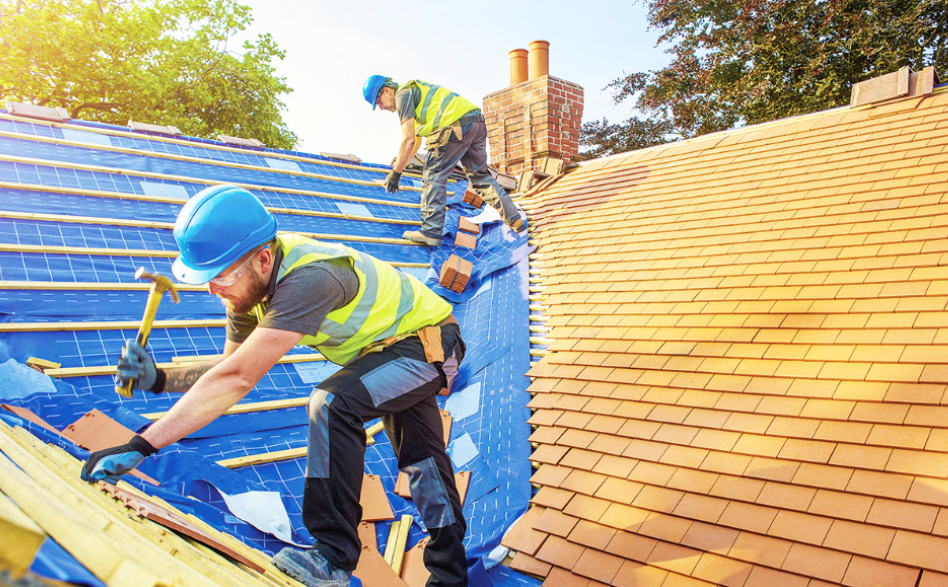
Even the highest-quality roofing materials can fail prematurely if installed incorrectly. Roofing systems rely on precise layering, ventilation, flashing placement, and drainage management.
Poor workmanship often leads to:
- Water intrusion
- Reduced shingle lifespan
- Improper attic ventilation
- Increased risk of storm damage
- Warranty complications
This is why homeowners should thoroughly research contractors before committing to a project. Reviewing previous work, verifying insurance coverage, and asking detailed questions about installation practices can help prevent future issues.
Homeowners looking for more information about roofing standards, installation practices, and project planning may find it useful to review resources from a reputable San Antonio roofing company when evaluating their options.
Questions Homeowners Should Ask Before Hiring a Contractor
Hiring a roofing contractor should involve more than simply comparing prices. A low estimate may not include critical components like underlayment replacement, flashing upgrades, or ventilation improvements.
Before signing a contract, homeowners should ask:
- Is the contractor licensed and insured?
- What type of warranty is included?
- Will damaged decking be replaced if necessary?
- How will debris and cleanup be handled?
- What is the estimated project timeline?
- Are permits required for the work?
- How will unexpected issues be communicated?
Clear communication from the beginning often leads to smoother projects and fewer misunderstandings.
Understanding Ventilation and Energy Efficiency
Roof replacement projects are also an opportunity to improve a home’s overall energy performance. Proper attic ventilation plays a major role in regulating indoor temperatures and preventing moisture buildup.
Without adequate airflow, heat can become trapped in the attic during warmer months. This forces HVAC systems to work harder and may shorten the lifespan of roofing materials.
Upgraded ventilation systems can help:
- Improve indoor comfort
- Reduce cooling costs
- Prevent moisture accumulation
- Extend roof lifespan
- Reduce strain on insulation materials
Some homeowners also choose reflective roofing materials designed to minimize heat absorption. These systems may contribute to lower energy usage in warmer climates.
Preparing for the Roofing Process
Roof replacement projects can temporarily disrupt normal routines, but a little preparation helps minimize inconvenience.
Homeowners can prepare by:
- Moving vehicles away from the driveway
- Securing fragile wall decorations inside the home
- Covering items stored in the attic
- Informing neighbors about upcoming construction noise
- Keeping pets safely indoors during active work hours
Most residential roofing projects are completed relatively quickly, although weather conditions and project complexity can affect timelines.
Long-Term Roof Maintenance Tips
A newly installed roof still requires regular care to maximize its lifespan. Preventive maintenance helps homeowners catch minor issues before they become expensive repairs.
Simple maintenance practices include:
- Cleaning gutters regularly
- Trimming overhanging branches
- Checking for storm damage after severe weather
- Scheduling periodic inspections
- Addressing small leaks immediately
Routine inspections are especially important after hailstorms or high winds, even when damage is not immediately visible.
Conclusion
A roof replacement is a major investment, but it also provides long-term protection, improved efficiency, and stronger property value. Homeowners who understand the process, ask the right questions, and prioritize quality workmanship are often better positioned to avoid future complications.
By planning carefully and working with experienced professionals, homeowners can make roofing decisions that protect their property for years to come. Taking the time to evaluate materials, installation quality, and long-term maintenance strategies helps ensure the investment delivers lasting results.