Planning a backyard water feature sounds exciting until things go wrong. Poor decisions during the early stages can lead to costly repairs, frustrated homeowners, and features that never quite work right. Taking time to understand what can go wrong helps you avoid the headaches that many pond owners face after installation.
Most people jump straight into buying equipment without thinking through the basics. Choosing the right pond fountains requires more than picking something that looks nice in a photo. You need to consider your pond’s size, depth, water quality goals, and how the fountain will actually function in your specific setup. Skipping this planning phase creates problems that become obvious only after everything is already installed and running.
Choosing the Wrong Location for Your Pond
Setting Up Too Close to Trees: Placing your pond under or near large trees might seem picturesque, but it creates ongoing maintenance nightmares. Falling leaves clog filters and pumps, while root systems can damage pond liners over time. Debris from the trees decomposes in the water, affecting water quality and creating murky conditions that no amount of filtration can fully address.
Ignoring Sunlight Patterns: Your pond’s location determines how much direct sun it receives throughout the day. Too much sunlight encourages excessive algae growth, turning your clear water green within weeks. Too little sun affects plant health if you plan to include aquatic vegetation. Observe your yard’s sun exposure patterns across different seasons before committing to a spot.
Overlooking Drainage and Runoff Issues: Low-lying areas might collect rainwater runoff from your lawn, bringing fertilizers, pesticides, and debris directly into your pond. This contamination throws off water chemistry and creates conditions where beneficial bacteria struggle to establish. Check how water flows across your property during heavy rain before selecting your pond’s final position.
Selecting Pumps Based on Price Alone
Underestimating Required Flow Rates: Many first-time pond owners buy pumps that look adequate but lack sufficient power for their water volume. A pump rated for a smaller pond won’t circulate water properly, leading to stagnant zones and poor oxygenation. Calculate your pond’s gallons and match it to appropriate gallons per hour specifications rather than choosing whatever seems cheapest at the moment.
Missing the Head Height Factor: Pumps lose power as they push water upward against gravity. If your fountain spray needs to reach several feet high, a basic pump will struggle and may burn out quickly. Understanding head height requirements prevents you from installing equipment that works poorly from day one.
Forgetting Seasonal Adjustments: Some pond owners install one pump and expect it to handle all conditions year-round. Winter freezing, summer evaporation, and seasonal debris loads all affect pump performance. Planning for these changes means selecting equipment with enough capacity to handle variable conditions without constant replacements.
Misjudging Pond Size and Depth Requirements
Building Too Shallow: Shallow ponds heat up quickly in summer, stressing fish and promoting algae blooms that turn water into pea soup. Depth matters for temperature stability and creating healthy zones where beneficial organisms thrive. Most pond life needs at least 18 to 24 inches of depth to survive seasonal temperature swings.
Overestimating Water Volume: People often guess their pond holds more water than it actually does, leading to incorrect chemical treatments and equipment choices. Taking time to calculate actual gallons prevents dosing errors and helps you select properly sized filters and pumps that match your real needs.
Ignoring Future Expansion Plans: Starting small makes sense, but building with zero room for growth locks you into limitations. If you might want to add fish, plants, or additional features later, planning for that possibility now saves major reconstruction work. Think about where your pond hobby might go in the next few years.
See also: Home Upgrading Mintpalment: Home Upgrading: Mintpalment for Digital Solutions
Getting Spray Height and Pattern Wrong
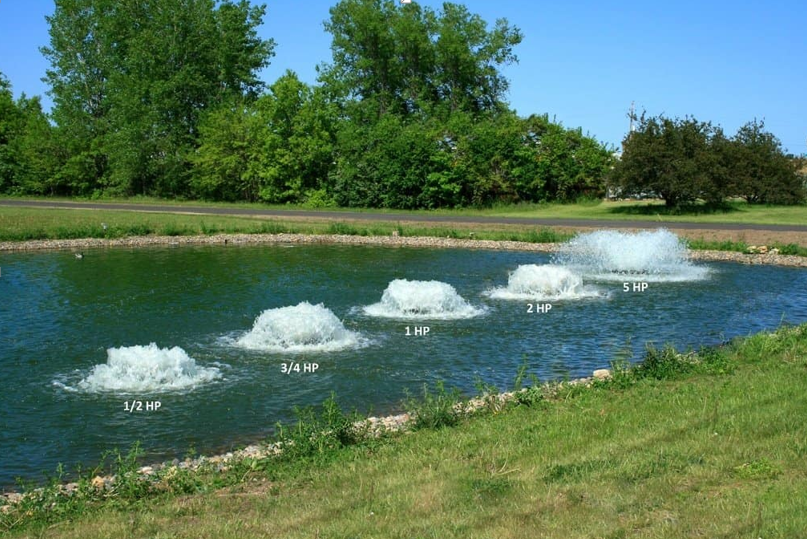
Choosing Inappropriate Fountain Styles: Not every fountain type works in every pond. Wind can blow fine mist sprays completely out of small ponds, wasting water and creating dry spots around your feature. Tall, dramatic sprays look impressive in catalogs but may overwhelm modest backyard ponds or disturb fish with excessive turbulence.
Consider these spray selection factors:
- Pond surface area determines maximum appropriate spray width without losing water to wind drift.
- Water depth affects pump placement options and limits which spray patterns function correctly.
- Surrounding landscape features like fences or buildings can block wind or create unexpected spray direction issues.
- Fish populations need calmer zones away from heavy fountain turbulence for feeding and resting.
Neglecting Adjustability Options: Fixed spray patterns give you no flexibility when conditions change or when you realize the initial setup doesn’t work well. Adjustable nozzles let you modify height and spread as you learn what works best for your specific situation.
Skipping Proper Electrical Planning
Running Extension Cords Permanently: Temporary electrical solutions become permanent fixtures when people avoid proper wiring. Outdoor-rated extension cords deteriorate in weather, creating fire hazards and unreliable power delivery. Planning for GFCI-protected outlets near your pond prevents dangerous shortcuts and code violations that could cause serious problems.
Placing Outlets Too Far Away: Stretching cords long distances leads to voltage drops that affect pump performance. Equipment runs inefficiently, costs more to operate, and wears out faster when it doesn’t receive adequate power. Professional electrical installation might cost more upfront but saves money and prevents equipment damage over time.
Conclusion
Planning your pond feature properly from the start saves time, money, and frustration down the road. Take time to assess your space, calculate your needs accurately, and choose equipment that matches your actual requirements rather than your budget limitations. Research each decision carefully and don’t rush into installation before you understand the full picture. Ready to create a water feature that works beautifully for years? Start with solid planning and make informed choices at every step.