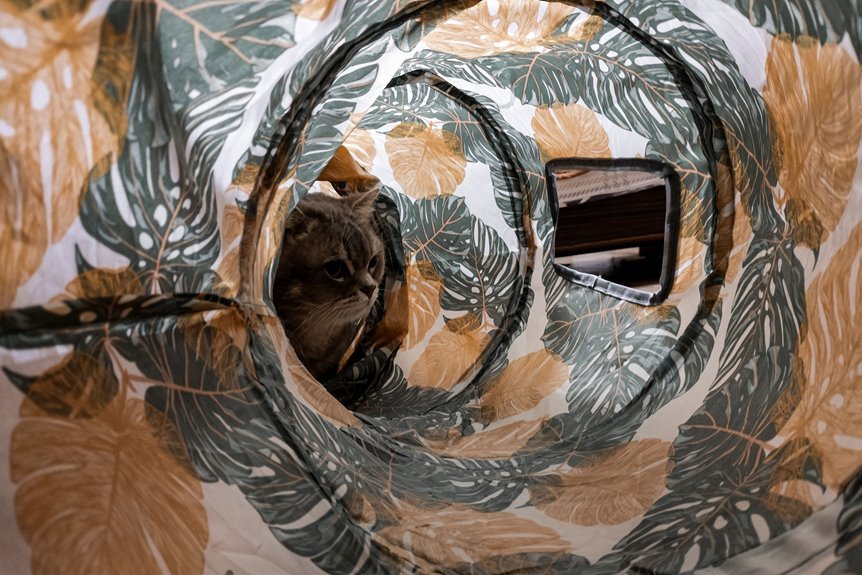
Indoor pets benefit from purposeful enrichment that matches their routines and abilities. A practical guide helps beginners set clear goals, choose simple activities, and ensure safety at home. The approach balances physical exercise, mental engagement, scent work, and social interaction, with rotating challenges to prevent boredom. It also emphasizes short, supervised sessions and documenting responses. The next steps outline how to identify goals and tailor activities to cats, dogs, small mammals, and birds. Consider what comes next to start making it work.
Identify Your Indoor Pet’s Enrichment Goals
Identifying enrichment goals begins with understanding an indoor pet’s basic needs, preferences, and daily routine. The process centers on defining clear aims, assessing needs, and aligning actions with wellbeing. By outlining stimulation aims, caretakers gauge feasible enrichment outcomes and set measurable benchmarks. This practical approach promotes consistency, mindful choices, and improved welfare, enabling freedom within structured, compassionate routines.
Simple, Versatile Activities for Cats, Dogs, Small Mammals, and Birds
Simple, versatile activities can suit a range of indoor pets by focusing on basic enrichment needs: physical exertion, mental stimulation, scent exploration, and social interaction.
For cats, dogs, small mammals, and birds, adaptable ideas include interactive play and feeding puzzles that stimulate problem-solving, encourage exploration, and promote calm, confident behavior while respecting each animal’s pace and preferences.
Balanced choices invite freedom and well-being.
Safe Setup and Supervision Tips for At-Home Play
Ensuring a safe at-home play environment starts with a clear, structured setup and vigilant supervision. The space should be free of hazards, with sturdy toys and appropriate containment. Observe pets during activities and rotate challenges to prevent overstimulation. Establish simple supervision strategies, set brief sessions, and document reactions. indoor enrichment supports curiosity, while consistent boundaries protect wellbeing and freedom.
Designing a Rotating Enrichment Plan That Fits Your Routine
Designing a rotating enrichment plan respects both the pet’s needs and the caregiver’s schedule by outlining varied activities that can be swapped throughout the week. This approach supports enrichment scheduling and routine integration, reducing monotony while preserving freedom. It emphasizes simple, scalable choices, clear boundaries, and predictable transitions, enabling consistent engagement without overwhelming the household or compromising daily rhythms.
Troubleshooting Boredom and Encouraging Participation
When boredom sneaks in, caregivers can intervene by first assessing both the environment and the animal’s typical activity patterns to identify gaps in stimulation. Troubleshooting focuses on quick, observable responses, adjusting routines, and introducing small, accessible changes. Stereotypical enrichment may signal needs; cost effective materials offer practical, reusable options, encouraging participation without overwhelming the pet or owner. Consistent evaluation sustains motivation and freedom.
Frequently Asked Questions
How Long Should Enrichment Sessions Typically Last per Day?
Enrichment sessions should last in short play sessions, about 10 to 20 minutes per day, with gradual pacing. The approach favors curiosity and gentle progression, ensuring pets enjoy stimuli without fatigue, embracing freedom while staying mindful of individual needs.
Which Enrichment Activities Are Best for Multi-Pet Households?
Ironically, the best activities for multi-pet households emphasize cooperative scent based play and gentle shared exploration, respecting multi-pet dynamics while avoiding competition, switching roles, and ensuring safe spaces for each pet to flourish.
How Can I Tell if My Pet Is Overstimulated?
To tell if a pet is overstimulated, observe signs your pet is overwhelmed: rapid panting, rigid body, avoidance, or overreactive reactions. It can help to calm overstimulated pets with quiet space, gentle soothing, and predictable routines.
Are Diy Enrichment Ideas Cost-Effective for Beginners?
Cozy coupons flutter as DIY budgets align with Starter tips, making low-cost enrichment accessible; yes, DIY enrichment ideas are cost-effective for beginners, offering practical, compassionate options that empower pet guardians seeking freedom and creativity without overspending.
How Often Should I Refresh Enrichment to Prevent Habituation?
A practical cadence suggests a refresh cadence of weekly to biweekly, adapting to each pet. Observe habituation signs—decreased engagement or interest—and rotate elements promptly to sustain curiosity and freedom while maintaining gentle consistency.
Conclusion
Enrichment threads through every room like a quiet, living tapestry. When a cat taps a puzzle box, a dog noses a scent trail, or a bird investigates a hanging toy, the home becomes a curious landscape, safe and soft with possibility. Small experiments—rotation, supervision, gentle encouragement—become daily rituals that guard joy. With practical, compassionate steps, owners nurture wilder instincts into calm, engaged moments, turning ordinary days into thoughtful, thriving routines for indoor companions.